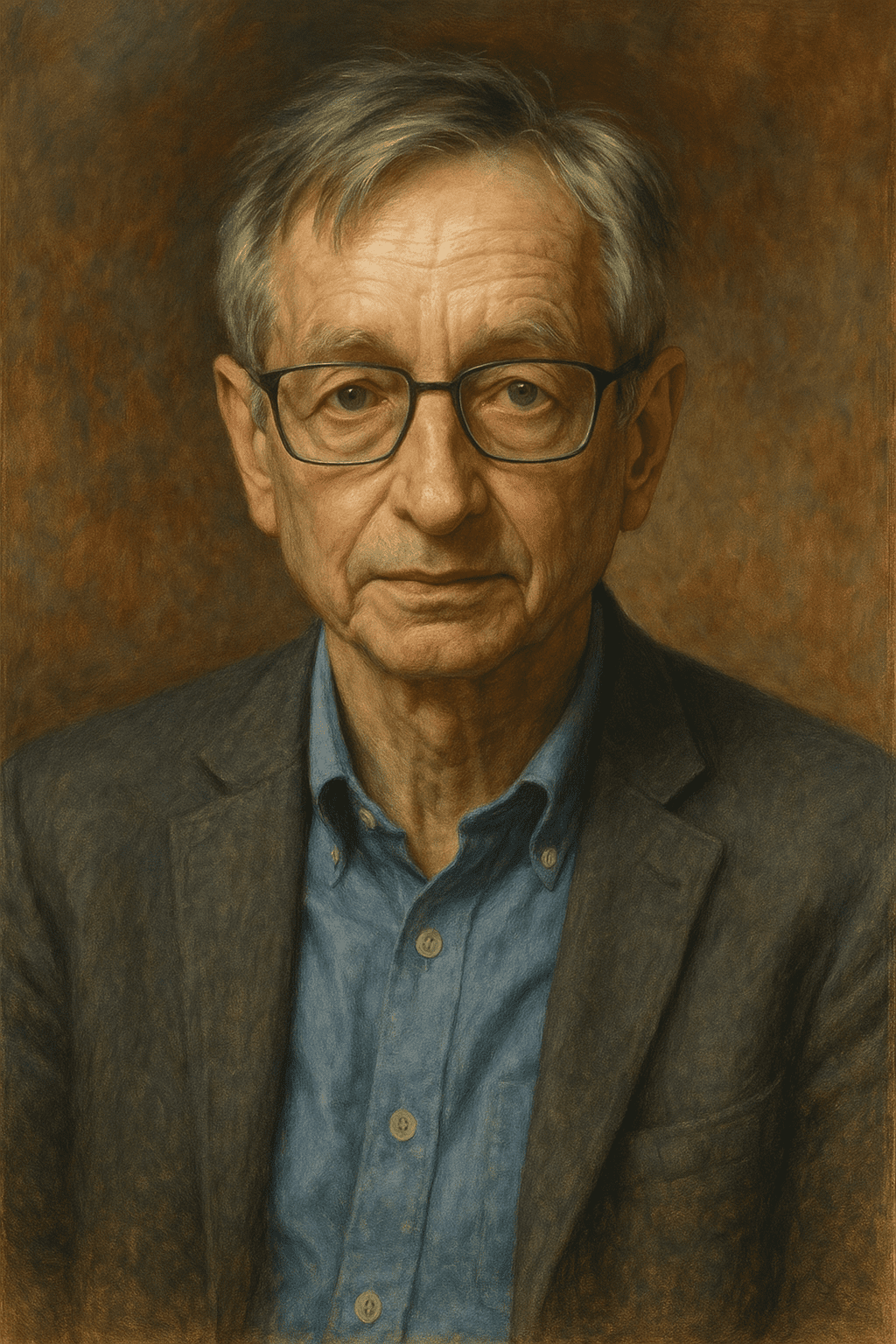
Geoffrey Hinton isn’t the kind of celebrity you’d recognize walking down the street, but in the world of artificial intelligence, he’s legendary. Call him a deep learning pioneer or, as some like to say, the “Godfather of AI.” Either way, his work underlies nearly everything modern AI does—chatbots, image recognition, speech translation, and even the goofy filters on social media apps. Without Hinton, the story of AI would read very differently.
Early Life and Academic Roots
Born in London in 1947, Hinton grew up with science practically in his DNA. He’s actually related to George Boole—the same Boole behind Boolean logic. That sort of intellectual heritage makes you wonder if his career was destiny. After studying experimental psychology at Cambridge and earning a PhD in artificial intelligence from the University of Edinburgh, he embarked on a path that initially appeared academic. But tucked into those early experiments were the seeds of something that would shake the entire field.
Neural Networks Before They Were Cool
In the 1980s, neural networks weren’t exactly trendy. Most people in the AI field had moved on, thinking those ideas were dead ends. Not Hinton. He doubled down, believing these systems could mimic the way the human brain processes information. He tinkered with algorithms that looked simple on paper but had staggering potential. And of course, the world wasn’t quite ready to listen. Funding dried up. Skeptics rolled their eyes. Yet the deep learning pioneer refused to let go. That stubbornness—some might call it obsession—kept the flame alive.
The Breakthrough Years
Fast-forward to the 2000s. Suddenly, the world had faster computers, oceans of data, and better tools. All the things Hinton had been quietly waiting for started clicking into place. His research on backpropagation and deep neural nets went from academic curiosity to headline-making reality. In 2012, his team at the University of Toronto stunned everyone by winning the ImageNet competition, demonstrating that their neural network could recognize images far better than anything else. That moment wasn’t just a win—it was a turning point. The deep learning pioneer had finally dragged neural networks from the fringes into the mainstream spotlight.
Big Tech Comes Knocking
Once the Toronto breakthrough hit the news, the tech giants lined up at his door. Google acquired his company, DNNresearch, and brought him on board. From there, Hinton’s influence spread like wildfire. He advised on projects that helped shape Google’s speech recognition, translation tools, and the AI backbone we all casually use every day. Imagine going from years of being dismissed to suddenly shaping the future of trillion-dollar companies. Feels like a movie plot, right?
The Human Side of the Story
What makes Hinton so interesting isn’t just the science. It’s his personality. Soft-spoken, modest, even a bit eccentric. Students and colleagues often describe him as deeply curious, yet incredibly approachable. He’s the kind of professor who’d throw out a brain-bending idea in class, then casually sip his tea while everyone scrambled to catch up. Imperfect? Definitely. He sometimes underestimated the complexity of scaling neural networks. But imperfections add flavor, and in Hinton’s case, they highlight the passion that kept him going when others gave up.
Modern AI and Everyday Life
Look around. Recommendation engines, self-driving cars, medical imaging, voice assistants—they all trace back to concepts Hinton nurtured. Without the work of this deep learning pioneer, your phone wouldn’t recognize your face, and translation apps would still sound robotic. Even breakthroughs like ChatGPT sit on layers of neural networks inspired by his research. It’s surreal how much of daily life has been quietly reshaped by one man’s ideas. Funny thing? He never seemed motivated by fame or money. The drive came from sheer curiosity and a stubborn belief in his vision.
A Voice of Caution
In recent years, Hinton has also become one of the loudest voices raising concerns about AI’s risks. He actually stepped down from Google in 2023 so he could speak more freely about the dangers. That move shocked many people. Imagine a deep learning pioneer who helped build the foundation of AI now warning that the technology might outpace our ability to control it. He worries about misinformation, job loss, and even existential risks. Some see him as a Cassandra figure—celebrated but also concerned that his warnings may not be fully heard until it’s too late.
Imperfect Yet Inspiring
Hinton admits he doesn’t have all the answers. He’s openly confessed to underestimating how quickly AI might advance. That honesty makes him feel real, almost like the kind of mentor you’d actually want to sit down with over coffee. He’s not pitching AI as some shiny toy or guaranteed savior. Instead, he’s candid about both the promise and the peril. The deep learning pioneer teaches us that progress doesn’t come from pretending to be flawless—it comes from curiosity mixed with humility and a willingness to adapt.
Influence Beyond Academia
His students—many of whom became rockstars in their own right—carry his ideas into labs and boardrooms around the world. The ripple effect is enormous. You’ll find Hinton’s fingerprints on projects ranging from cutting-edge cancer detection tools to language models powering your smartphone keyboard. He might not be a household name, but his work sneaks into people’s lives in ways most don’t even realize. That quiet influence feels almost poetic. A deep learning pioneer who worked in relative obscurity for decades ultimately shapes the fabric of the digital age.
Legacy Still in Motion
Geoffrey Hinton’s story isn’t finished. Even in his seventies, he continued to push forward with new research ideas and challenge assumptions. Whether speaking at conferences or mentoring students, he continues to shape the conversation. He’s a reminder that revolutions don’t always come from loud voices or flashy entrepreneurs. Sometimes they come from a quiet professor who couldn’t stop thinking about how the brain works. The deep learning pioneer may not have wanted celebrity status, but he’s got it anyway, at least in the circles that matter most.
Further Reading
If you’re itching to explore more, the Alan Turing Institute has excellent resources on AI research. You can also check out Nature for in-depth scientific discussions on neural networks. For a newsy angle, BBC Technology often covers Hinton’s public statements and interviews.
Final Thoughts
At the end of the day, Geoffrey Hinton isn’t just an academic footnote—he’s the spark that ignited a movement. His journey reveals the messy side of innovation: long stretches of doubt, bursts of triumph, and a willingness to persevere even when the world doesn’t care. The deep learning pioneer embodies both the brilliance and the uncertainty inherent in AI itself. If you want to understand where AI came from and where it might be going, his story is a must-read. For more inspiring deep dives, check out YouImpressed.com. Check out our other website, youimpressed.com.
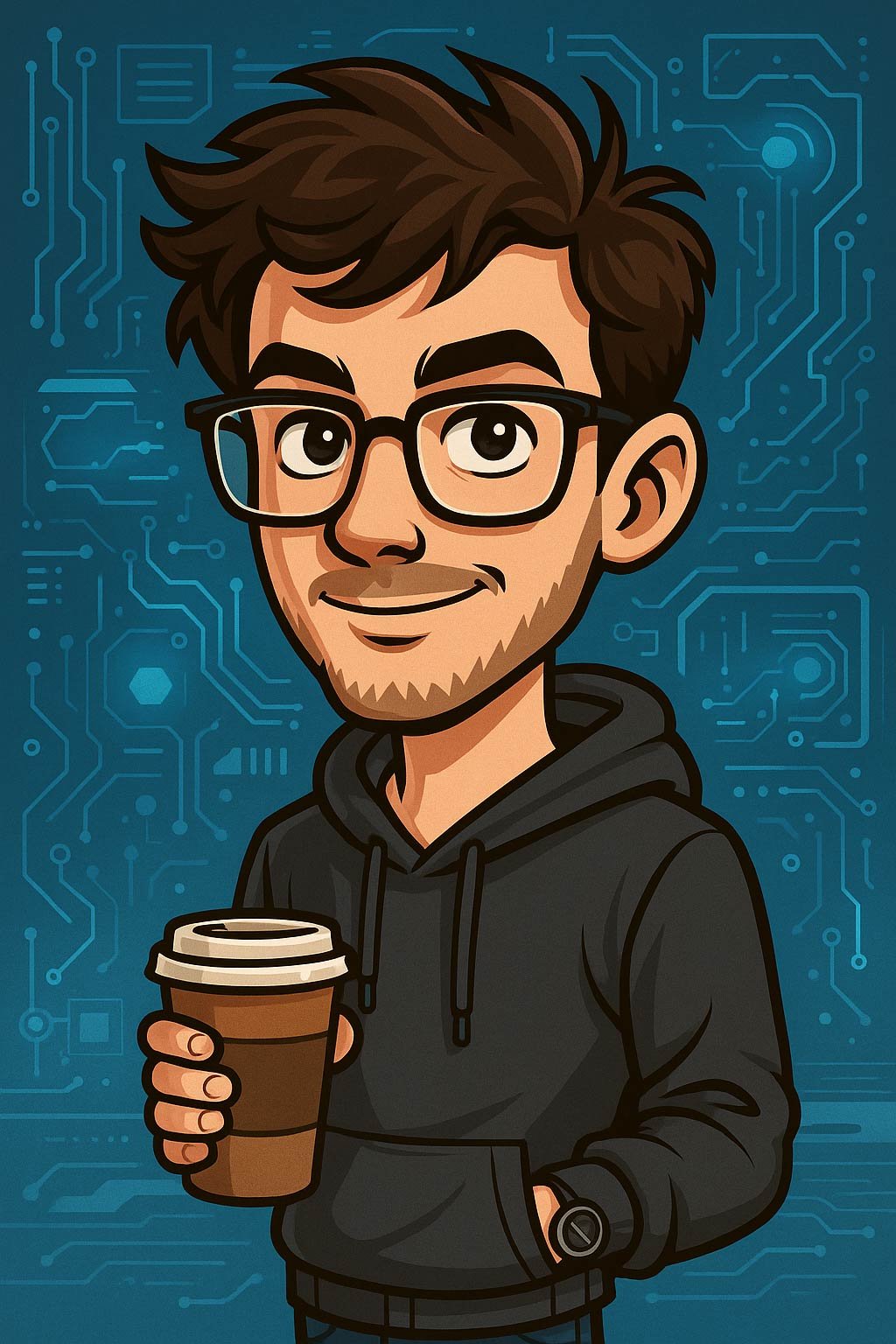
Lead Writer, AI / Latest Tech | YouImpressed.com
Milo covers emerging tech and artificial intelligence, exploring how machines are reshaping creativity, business, and everyday life.
Raised in Palo Alto by Silicon Valley parents, he grew up surrounded by beta tests, old servers, and the hum of innovation. He holds a degree in Digital Media and Machine Ethics from Stanford University and remains a loyal Dodgers fan with year-round tickets.
When he’s not testing gadgets or decoding AI trends, Milo runs a startup that trains robots to call balls, strikes, and foul balls. After getting ejected from a Dodgers game for loudly questioning an umpire’s eyesight, he became convinced the future of baseball needs fewer blown calls and a lot more algorithms.
Note: This is a fictional bio. See About page for more information.