

By Marisol Herra | Lead Writer, Food and Drinks | YouImpressed.com
Rare and Expensive: Where Luxury Lives on the Plate
In the world of fine dining, some ingredients go way beyond flavor. The scarce and expensive items come with stories, secrets, and often, sky-high price tags. These are the foods that turn heads at auction houses, sit quietly behind velvet ropes in specialty shops, and appear only on the menus of elite restaurants.
Whether found deep in the ocean, hidden in remote mountains, or grown under tightly controlled conditions, these ingredients are more than just hard to find—they’re culinary status symbols. From edible gold to truffles worth more than a car, the rare and expensive category is all about indulgence at the highest level.
1. White Truffles from Alba
No list of rare and expensive foods is complete without white truffles. Harvested in the forests of Alba, Italy, these fragrant fungi can fetch over $4,000 per pound. The season lasts only a few weeks each fall, and trained dogs (or pigs) sniff them out from beneath the soil. Chefs shave them over risottos and pastas for a burst of earthy luxury that can’t be replicated.
Truffle auctions often attract global attention. One large specimen sold for over $330,000. That’s not a typo.
2. Almas Caviar
Almas means “diamond” in Persian, and that’s precisely what this beluga caviar feels like. Harvested from albino sturgeon in the Caspian Sea, this rare and expensive delicacy is packaged in 24-karat gold tins. It sells for approximately $25,000 per kilogram.
With a buttery texture and subtle nuttiness, Almas caviar represents the pinnacle of fine taste. Only a handful of sources sell it, including London’s Caviar House & Prunier, making it one of the most elite food items in the world.
3. Saffron
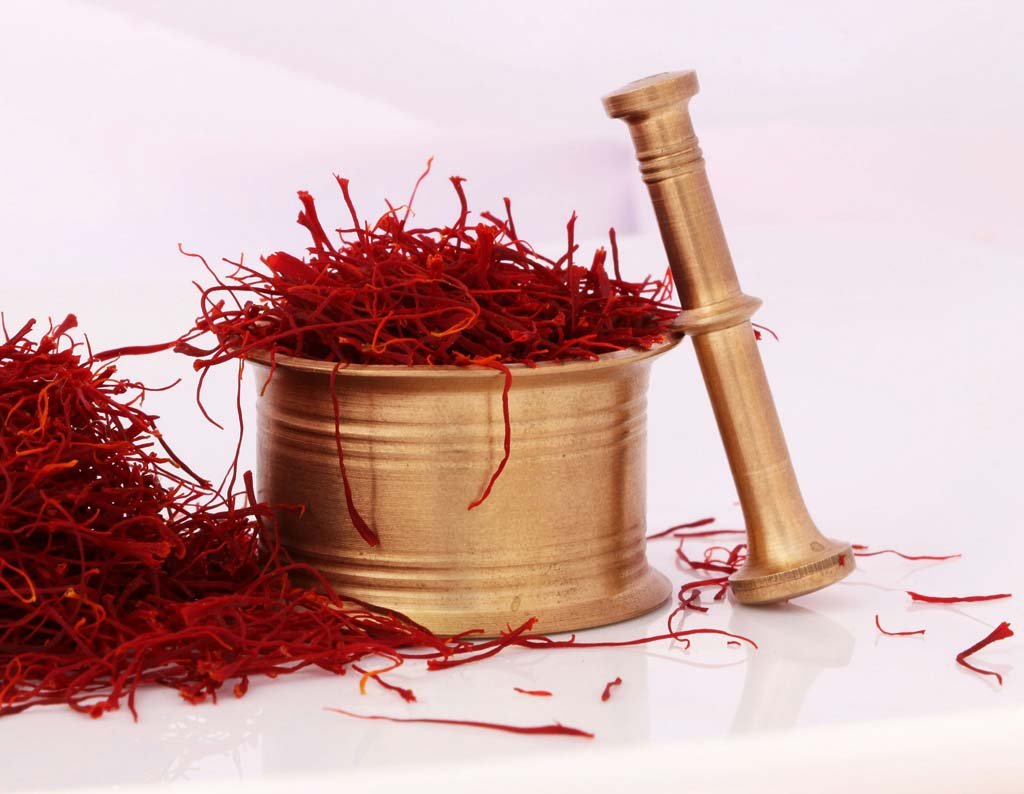
Known as “red gold,” saffron holds the title of the world’s most expensive spice. Harvested by hand from the delicate crocus flower, each thread is carefully collected and dried. It takes over 75,000 flowers to produce just one pound of saffron.
Top-quality saffron from Iran or Kashmir can cost between $5,000 and $10,000 per pound. Its unique aroma and deep color make it a favorite in luxury kitchens worldwide.
4. Bluefin Tuna
Bluefin tuna, especially the prized cuts from Japan, regularly break records. At Tokyo’s Toyosu Market, a single fish once sold for more than $3 million. The marbling and texture of high-grade bluefin make it the star of many sushi menus.
Due to concerns about overfishing, sustainable sourcing has become a pressing issue. Still, the demand for this rare and expensive fish remains strong among top-tier chefs and collectors.
5. Matsutake Mushrooms
Matsutake mushrooms grow in the wild under particular forest conditions, primarily in Japan, Korea, and parts of China. They’re notoriously difficult to cultivate and nearly impossible to predict. Their spicy, pine-like aroma sets them apart from other fungi.
With prices ranging from $1,000 to $2,000 per pound, matsutake mushrooms fit squarely into the rare and expensive category. Foraged by hand, these mushrooms often appear in fall-themed tasting menus and holiday dishes.
6. Pulé Cheese
Crafted from donkey milk and produced exclusively in Serbia, Pulé is one of the rarest cheeses on the planet. It takes over 25 liters of milk to make just one kilogram. Only one farm in the world produces it: Zasavica Special Nature Reserve.
The texture is crumbly yet rich, with a flavor often compared to Manchego but with a smoother finish. A kilo of Pulé cheese sells for around $1,300, making it a top contender in the rare and expensive dairy category.
7. Edible Gold Leaf
Pure gold is odorless, tasteless, and entirely safe to eat, at least in small quantities. Edible gold leaf has become a favorite of high-end dessert chefs and luxury cocktail bars. From gilded macarons to $1,000 sundaes, it adds a touch of shine that screams opulence.
Available in sheets or flakes, this rare and expensive garnish is often featured in elite celebrations and VIP tasting menus. Gold leaf isn’t about flavor—it’s about style.
8. Vanilla from Tahiti
Tahitian vanilla beans are plump, glossy, and incredibly aromatic. Compared to the more common Bourbon vanilla, Tahitian beans have a fruitier, floral profile. Grown on small family farms and pollinated by hand, the production process is slow and delicate.
One pound of premium Tahitian vanilla can cost more than $600. For pastry chefs and ice cream artisans, this rare and expensive ingredient is well worth the investment.
9. Wagyu Beef
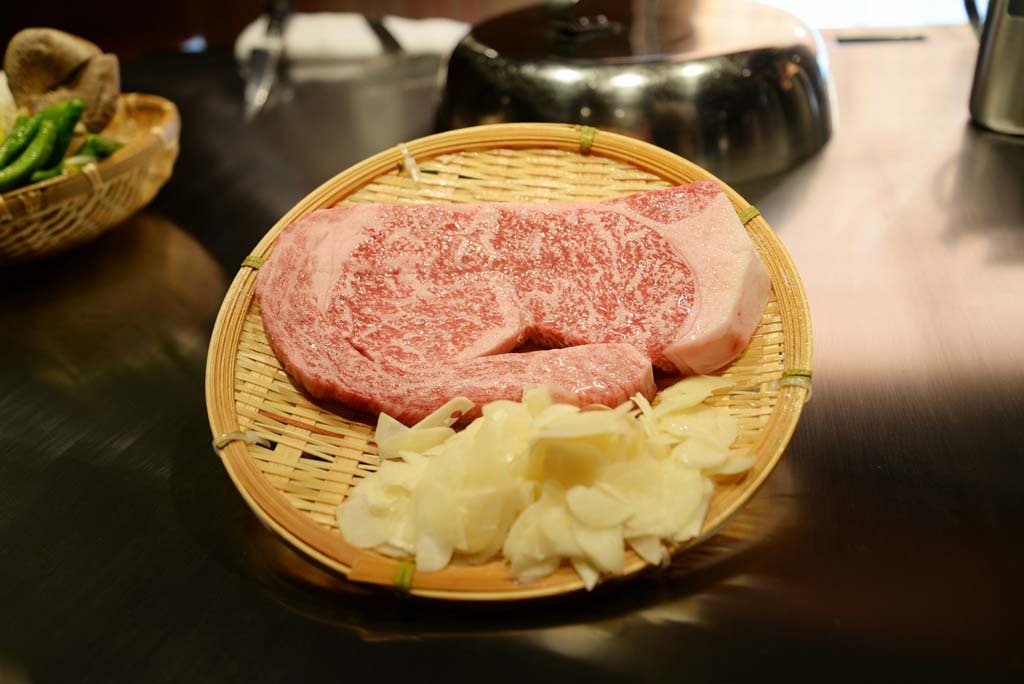
Wagyu beef from Japan is renowned for its exceptional marbling, tenderness, and rich, buttery flavor. Especially coveted are cuts from Kobe or Matsusaka cattle, which are raised under strict conditions and sometimes even receive massages or beer-enhanced diets.
Top-grade Wagyu can cost upwards of $300 per pound, depending on the cut. The steak literally melts in the mouth, offering an experience that lives up to its price tag and rare and expensive status.
10. Fugu (Pufferfish)
Fugu is one of the most dangerous dishes in the world—if prepared incorrectly, it can be deadly. Only certified chefs in Japan are allowed to handle and serve it. The risk factor combined with the skill required to prepare it makes fugu both rare and expensive.
Delicate and clean in flavor, fugu is often served as sashimi or in a hot pot. A single course can cost hundreds of dollars, and diners flock to experience the thrill and elegance of this legendary dish.
Rare and Expensive Ingredients Define Culinary Luxury
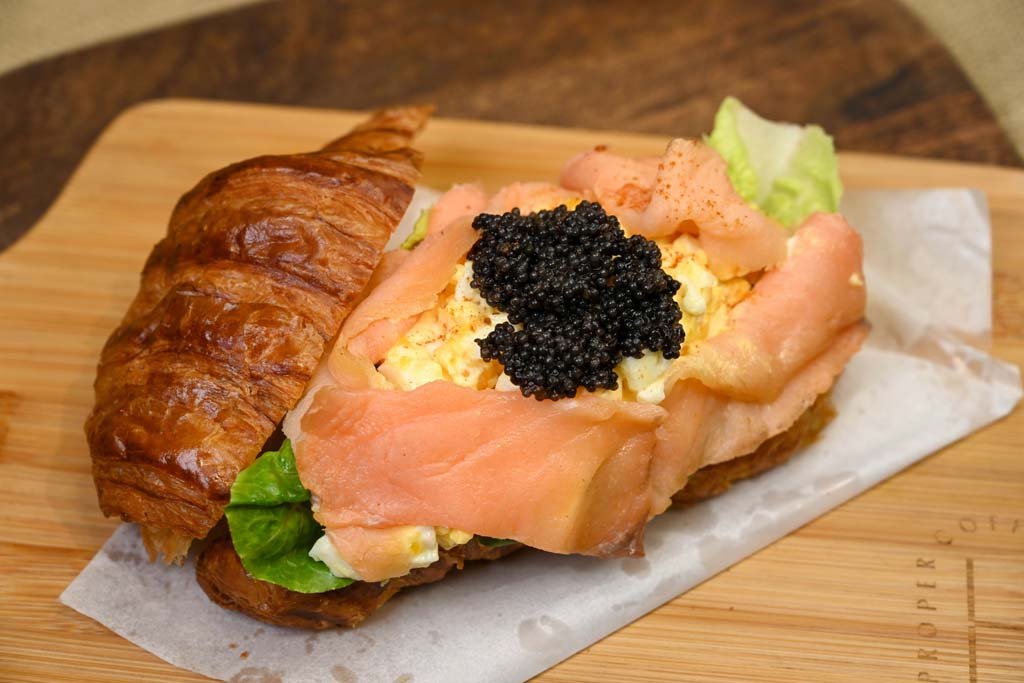
For chefs and collectors alike, these ingredients are more than just food—they’re expressions of craft, culture, and wealth. Each item on this list reflects the kind of taste that demands attention, patience, and often a hefty wallet. From forest floors to ocean depths, the journey to bring rare and expensive items to the plate involves stories worth savoring.
Looking for more elite culinary finds and luxury food inspiration? Explore the YouImpressed.com homepage for the latest in high-end dining and gourmet trends.

Lead Writer, Fashion | YouImpressed.com
Marisol Herrera was born and raised in San Antonio, Texas. She is fluent in Spanish, English, and exotic flavors. From an early age, she was immersed in the culinary world, helping her aunt run a neighborhood restaurant filled with family recipes and rich traditions.
She attended the Culinary Institute of America in San Antonio, earning a degree in Culinary Arts with a minor in Food Writing. Marisol enjoys traveling to exotic locations in search of authentic recipes and unforgettable dishes.
In her spare time, she enjoys gardening, raising her two children, and salsa dancing with her husband.
Note: This is a fictional bio. See About page for more information.