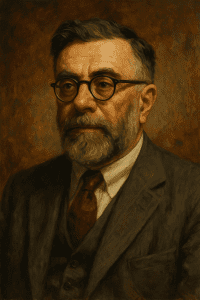
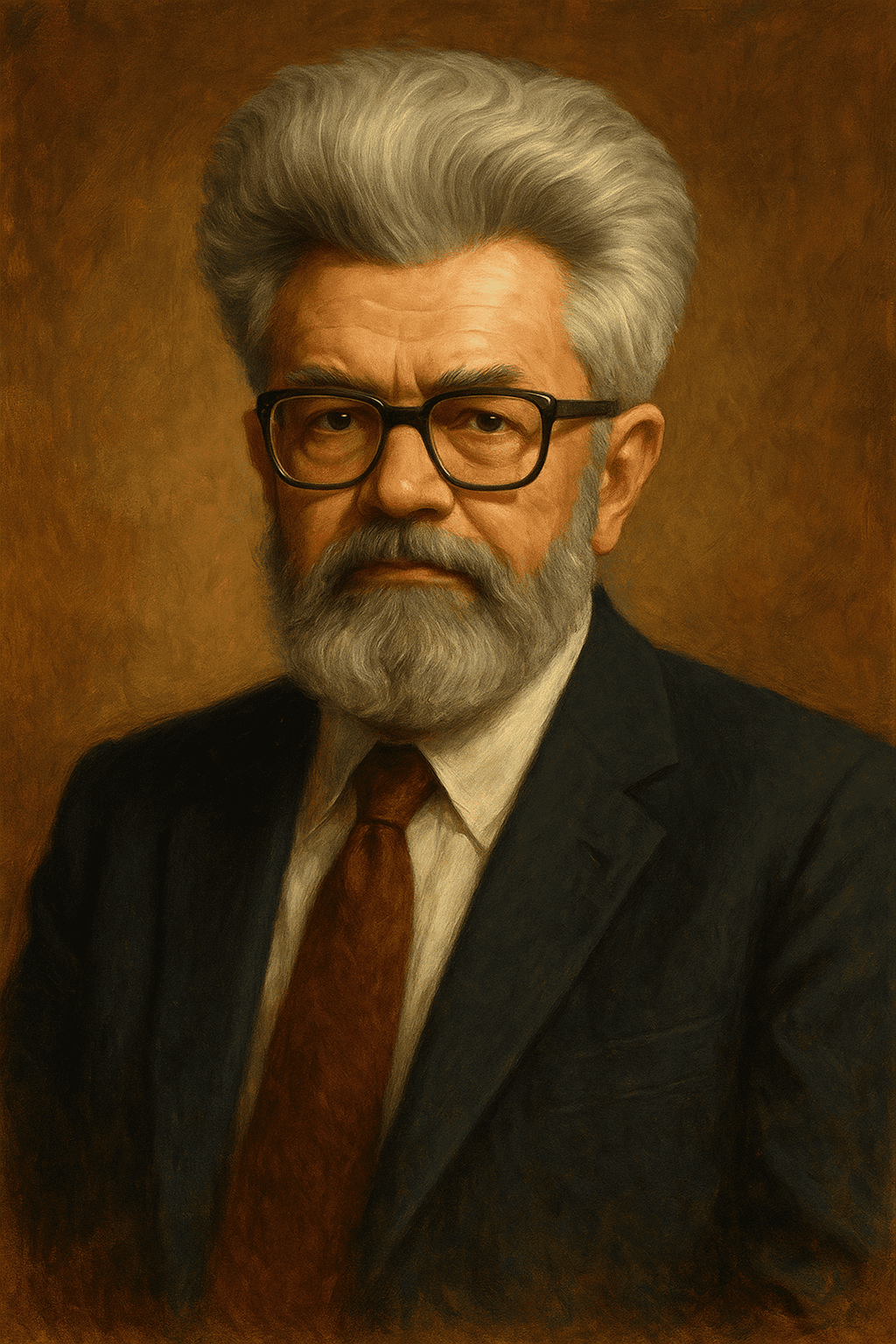
Let’s discuss John McCarthy, the AI pioneer who coined the term’ artificial intelligence’ and laid the groundwork for the advancements we’re witnessing today. He wasn’t a flashy guy in the way tech founders are now, but his mind was wired for something bigger. He could imagine machines that might someday think, reason, and—at least to some extent—act like us. Honestly, that’s remarkable considering he began pushing these ideas back in the 1950s, when computers were the size of entire rooms and had less power than the cheapest phone available today.
The Early Spark
John McCarthy was born in 1927 in Boston. By the time most kids were worrying about baseball cards, he was already knee-deep in math. His brain was like a sponge, absorbing complex ideas and devising ways to bend them. After studying at Caltech and then Princeton, he started bouncing between different universities. Somewhere in those years, the concept of machines simulating intelligence lit a fire under him. And once it started, he couldn’t put it out.
The Birth of Artificial Intelligence
Now here’s the fun part: McCarthy didn’t just contribute to AI—he literally gave the field its name. In 1956, he organized the now legendary Dartmouth Conference. That’s where the term “artificial intelligence” was first introduced. Imagine being in that room! You’ve got McCarthy, Marvin Minsky, Claude Shannon, and others—all tossing around what sounded like science fiction ideas. However, those conversations sparked a movement that continues to shape the world today. Without John McCarthy, the AI inventor leading the charge, who knows what we’d even call this stuff? “Machine smarts”? Doesn’t quite have the same ring.
LISP: The Programmer’s Gift
Okay, brace yourself for some nerd talk. McCarthy didn’t just stop at the big-picture ideas; he also rolled up his sleeves and built tools. His biggest gift? The programming language LISP. For decades, LISP was the go-to for AI research. It allowed people to engage with symbolic reasoning, logic, and problem-solving in ways that other languages didn’t. If Python is the hotshot in today’s AI world, then LISP was its wise old grandparent. McCarthy cooked it up in the late 1950s, and you can still find programmers who swear by it.
A Visionary with Flaws
Let’s be real—no one gets it right 100% of the time. McCarthy was a visionary, but he sometimes underestimated the challenges of implementing AI. He thought progress would be faster than it actually was. Decades later, we’re still wrestling with some of the same core problems. But that’s part of his charm, honestly. He believed so deeply in the idea of intelligent machines that he was willing to take big swings. And without big swings, you don’t hit home runs. That blend of confidence and imperfection made John McCarthy, the AI inventor, feel almost more human than the machines he dreamed about.
Teaching and Sharing Ideas
McCarthy spent a considerable part of his career teaching at Stanford, where he shaped generations of thinkers. He had this knack for simplifying incredibly complex ideas. Students remember him not only for his brilliance but also for his quirky sense of humor. He enjoyed pushing people to think in ways that initially felt uncomfortable. Imagine sitting in one of his classes and hearing him casually predict things like computer chess matches or online communication decades before they happened. That had to be both intimidating and exciting at the same time.
Connections to the Present
Fast forward to today, and you can see his fingerprints everywhere. AI chatbots, autonomous cars, and recommendation systems—they all trace back to the seeds McCarthy planted. When we talk about the “AI boom,” it feels fresh and new, but the core dream is decades old. John McCarthy, the AI inventor, ensured that the dream never went away, even during the so-called “AI winters” when funding and interest dried up. He kept the faith. Kind of like an old jazz player still riffing while everyone else has left the stage.
The Bigger Picture
One aspect that is often overlooked about McCarthy is his belief in AI as a means to enhance human life. He wasn’t in it just to build machines that could play checkers. He envisioned AI helping to solve global problems, such as resource management and scientific research. Although we’re not all the way there yet, his vision has planted the seeds of possibility. And we could use more thinkers like that right now.
Unique Quirks and Lasting Legacy
People who knew him often talk about his mix of humor and intensity. He’d challenge students but also crack jokes that left the whole class laughing. He could be stubborn—really stubborn—but sometimes that stubbornness is what kept him pushing when others gave up. John McCarthy, the AI inventor, was the kind of guy who might argue with you for hours just to get you to see a problem from a different angle. That’s rare. And valuable.
Looking Ahead with McCarthy’s Shadow
So, where does all this leave us? McCarthy passed away in 1984, but his influence is still embedded in the code, conferences, and conversations of today’s AI. Every time someone mentions “artificial intelligence,” they’re echoing his words. Every time a new AI system makes headlines, his early vision nods in the background. The imperfect brilliance of John McCarthy, AI inventor, reminds us that the future often starts with someone willing to imagine the impossible—and then tinker, argue, and code until it looks a little less impossible.
Want to Dive Deeper?
If you’re curious about more of his work, check out his Stanford archive. For a broader take on the history of AI, the Encyclopedia Britannica has a solid overview. And if you’re interested in how his ideas still shape today’s AI, there’s always great reading on sites like Scientific American.
Final Thoughts
When you strip it down, McCarthy’s story is about vision. He wasn’t perfect. He guessed wrong about timelines. He sometimes pushed harder than people were ready for. But that’s precisely why he mattered. He could see things others couldn’t, and he was stubborn enough to chase them. We owe a great deal to John McCarthy, the AI inventor, and the world of tech would look quite different without him. If you’re building or just curious about AI, knowing his story gives everything more depth. It makes the whole field feel less like magic and more like the product of one determined guy’s imagination.
For more inspiring stories, don’t forget to visit YouImpressed.com. Check out our other website, youimpressed.com.