

By Marisol Herra | Lead Writer, Food and Drinks | YouImpressed.com
How the World’s Best Chefs Turn Ingredients into Masterpieces
Step into a Michelin-starred kitchen and watch magic unfold. The World’s Best Chefs don’t just cook—they create edible art that stuns the eyes and excites the palate. Each plate is a story, a vision, a moment captured in flavor. The craft goes far beyond taste—it’s about emotion, presentation, and pure creative expression.
In this World, a carrot might be roasted for hours at a precise temperature, or foam made from mushroom broth might crown a perfectly poached egg. The ingredients stay familiar, but the methods elevate them into something unforgettable. The World’s Best Chefs push boundaries with every bite, and their kitchens act more like studios than restaurants.
How the World’s Best Chefs Find Inspiration
Every dish begins with inspiration. Nature, Travel, memories, even architecture—the World’s Best Chefs draw from all kinds of sources when dreaming up their next show-stopping plate. Ferran Adrià, the former head chef of the iconic elBulli in Spain, famously blurred the line between science and cooking, utilizing molecular gastronomy to transform olive juice into spheres that burst in the mouth like caviar.
At Noma in Copenhagen, Chef René Redzepi uses foraged ingredients from the Nordic landscape to create dishes that reflect the seasons and the region’s unique spirit. A simple moss-covered rock might become the backdrop for pickled herbs and smoked meats, capturing the essence of a Scandinavian forest in one bite.
Creativity isn’t a one-time spark—it’s a daily practice. The World’s Best Chefs often sketch their dishes before cooking, treat plating like a form of art, and test recipes repeatedly until everything comes together perfectly.
Techniques That Set the World’s Best Chefs Apart
Flavors matter, but technique brings a dish to life. The World’s Best Chefs rely on both classic foundations and cutting-edge skills. Knife work, temperature control, and timing play a massive role—but so do newer tools like sous vide machines, dehydrators, and high-tech blowtorches.
At The Fat Duck in the UK, Heston Blumenthal plays with temperature and texture to trick the senses. One bite might be hot on one side and cold on the other—completely intentional. In Chicago, Grant Achatz at Alinea serves edible balloons filled with flavored air or desserts that explode on the table.
These chefs don’t just follow recipes; they also create their own. The World’s best chefs constantly experiment, testing how flavors interact and how presentation enhances the overall experience. It’s a balance of science and soul, technique and instinct.
Plating Like a Pro: Where Visuals Matter
A significant aspect of culinary art is its visual appeal. The World’s Best Chefs treat the plate as a canvas. Color, shape, symmetry—all of it counts. A single edible flower or a swirl of beet purée can completely transform the tone of a dish.
Presentation sets the mood. A rustic wooden board exudes earthy vibes, while sleek white porcelain conveys a modern and clean aesthetic. Some chefs go all out, like Gaggan Anand at Gaggan in Bangkok, serving twenty-course meals as colorful bites delivered with emoji symbols instead of names.
Even lighting, music, and tableware are considered. The experience begins before the first bite, and the World’s best chefs ensure every detail plays its part.
How the World’s Best Chefs Use Local and Seasonal Ingredients
Top-tier cooking doesn’t rely on exotic ingredients flown from across the globe. More often, the World’s Best Chefs look to what’s nearby. Local farms, markets, and even forests offer ingredients packed with flavor and personality.
Using seasonal produce means the menu constantly evolves. Tomatoes shine in the summer, while root vegetables take center stage in the fall. This approach not only supports sustainability, but it also keeps the dishes exciting and fresh.
Chef Dan Barber of Blue Hill at Stone Barns is a prime example. His menus often highlight overlooked vegetables and grains, showcasing their value through innovative cooking and gorgeous presentation. That kind of focus defines how the World’s Best Chefs connect with their surroundings and with food at a deeper level.
Global Influence and Cultural Respect
Cultural awareness matters. The World’s Best Chefs respect the roots of the dishes they reinterpret. Whether it’s a modern take on Japanese omakase or a deconstructed Indian curry, authenticity and understanding come first.
Chefs like Massimo Bottura at Osteria Francescana in Modena reimagine Italian cuisine with a poetic flair, while still staying deeply connected to traditional techniques and ingredients. That blend of innovation and respect helps define their status in the culinary World.
Mixing techniques and ingredients across cultures can create unforgettable dishes. Still, the World’s Best Chefs always know where the inspiration came from and honor it in the process.
Kitchen Culture and Teamwork
No chef does it alone. Behind every stunning plate is a team of dedicated professionals—line cooks, pastry chefs, sauciers, and more. The World’s Best Chefs know how to lead with clarity, vision, and trust.
Training is intense, and the expectations are sky-high. Kitchens run like clockwork, with every move timed and every role vital. Communication, discipline, and creativity flow through every station. And when things come together, the results are unforgettable.
At Per Se in New York or Mirazur in France, that team spirit makes the difference between good and groundbreaking.
How the World’s Best Chefs Embrace Innovation
Creativity never stops evolving. The World’s Best Chefs stay on the edge of what’s next—adapting to new technologies, food trends, and changing diner expectations. AI in the kitchen, 3D-printed ingredients, or fully immersive dining experiences are no longer just futuristic ideas—they’re fundamental tools being used in elite restaurants.
Chefs explore plant-based cuisine, experiment with fermentation, and rethink how dining can be more inclusive and sustainable. The best never settle. They learn, evolve, and take risks—all while staying rooted in technique and vision.
Restaurants like Central in Peru are pushing boundaries by showcasing native ingredients from different altitudes and regions, helping redefine what high-end dining even looks like.
The Final Touch: Passion Behind Every Plate
Ultimately, passion drives everything. The World’s Best Chefs don’t just love food—they live for it. The long hours, the endless testing, the pursuit of perfection—it all comes down to the love of the craft.
Each dish tells a story. Each menu reveals a journey. Every guest walks away with more than just a full stomach—they leave with a memory. And that’s what makes the World’s Best Chefs artists in their own right.
For more stories that celebrate innovation, flavor, and next-level living, check out the YouImpressed.com home.page.
Lead Writer, Fashion | YouImpressed.com
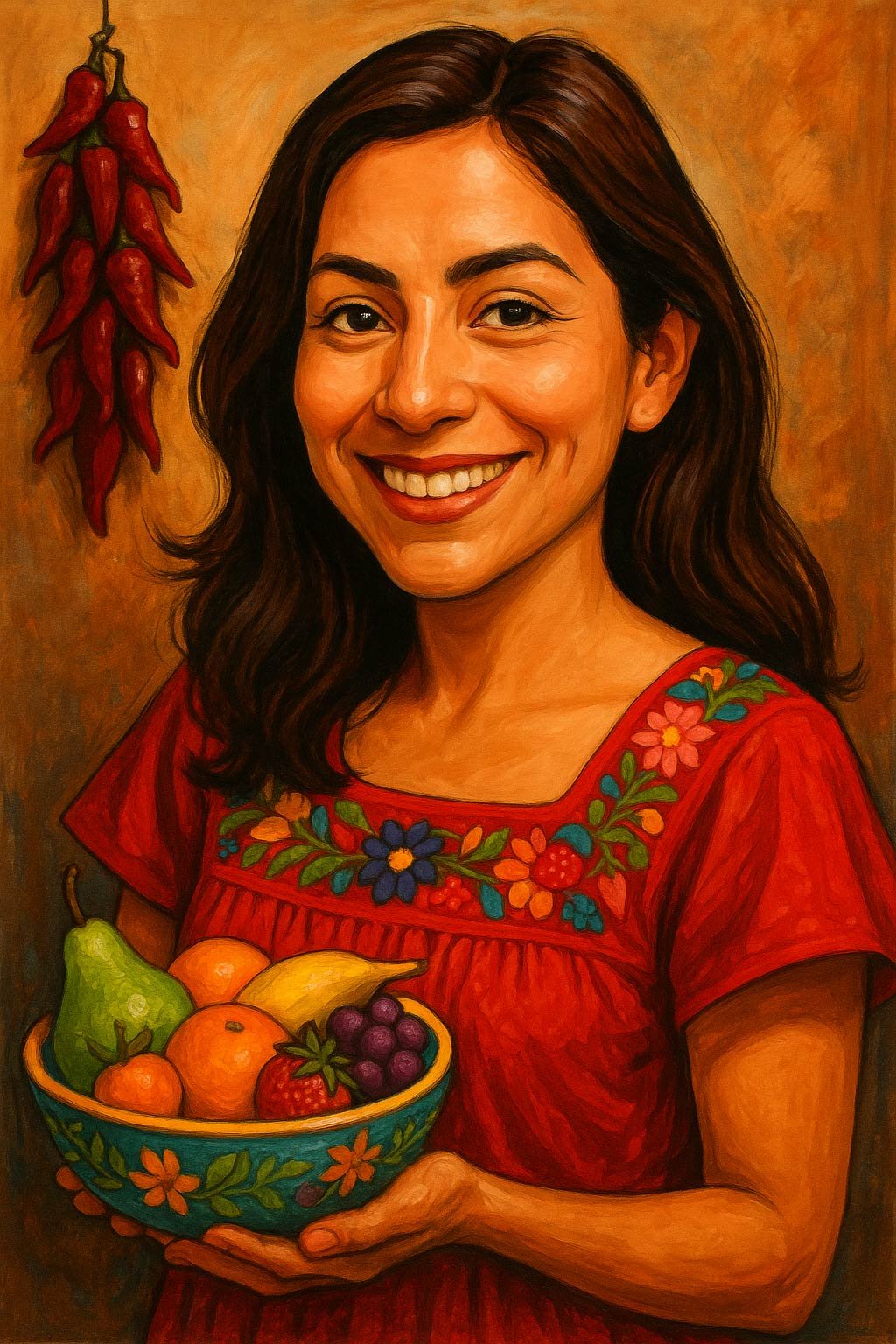
Marisol Herrera was born and raised in San Antonio, Texas. She is fluent in Spanish, English, and exotic flavors. From an early age, she was immersed in the culinary world, helping her aunt run a neighborhood restaurant filled with family recipes and rich traditions.
She attended the Culinary Institute of America in San Antonio, earning a degree in Culinary Arts with a minor in Food Writing. Marisol enjoys traveling to exotic locations in search of authentic recipes and unforgettable dishes.
In her spare time, she enjoys gardening, raising her two children, and salsa dancing with her husband.
Note: This is a fictional bio. See About page for more information.