

By Marisol Herra | Lead Writer, Food and Drinks | YouImpressed.com
Farm-to-Fork: Where Fresh Meets Fancy
Luxury dining doesn’t have to mean gold leaf and caviar. The real secret? Freshness. The Farm-to-Fork movement is revolutionizing the fine dining landscape by prioritizing locally sourced, seasonal ingredients. Think just-picked herbs, vine-ripened tomatoes, and eggs that still feel warm from the nest. When ingredients show up at their absolute best, the entire meal sings.
Top chefs around the globe now build menus around what’s coming out of the soil that day, not what’s sitting in a shipping container. The results? Dishes that taste brighter, feel cleaner, and honestly leave a stronger impression than anything flown in from across the world. Farm-to-fork cuisine delivers freshness as a selling point, and diners are all in.
Why Farm-to-Fork Is the New Fine Dining Standard
Forget frozen. Farm-to-Fork dining means ingredients go from the field to the plate in record time. That speed keeps flavors vibrant and textures intact. Restaurants embracing this approach don’t just care about taste—they’re obsessed with quality, sustainability, and supporting local growers.
In places like California’s wine country or the hills of Tuscany, Farm-to-Fork isn’t a trend—it’s a way of life. At spots like The French Laundry or Blue Hill at Stone Barns, the menu changes daily depending on what’s thriving in the garden. That kind of flexibility allows chefs to serve ingredients when they’re truly at their peak, delivering flavors that’re impossible to replicate.
Ingredients That Steal the Show
High-end restaurants once treated vegetables as supporting actors. Not anymore. Farm-to-Fork philosophy elevates produce to star status. A perfectly grilled peach, a single heirloom tomato, or a vibrant stalk of asparagus can now hold its own against any wagyu steak.
Chefs are working directly with farmers to choose unique seed varieties and growing techniques tailored to specific dishes. Microgreens snipped hours before service. Heritage carrots picked at the perfect moment. Even the butter can come from a nearby dairy, churned that morning. Every bite tells a story of time, place, and attention to detail.
Farm-to-Fork Dining Goes Global
From Tokyo to Napa Valley, healthy dining options are emerging in luxury destinations worldwide. Restaurants like Noma in Copenhagen and SingleThread in Sonoma have built entire culinary identities around hyper-local sourcing.
Even in cities, chefs are transforming rooftops and urban gardens into mini-farms. Restaurants grow their own herbs, tomatoes, and edible flowers—creating a full-circle dining experience that brings the farm straight to the fork in the middle of the city.
Farm-to-Fork: A Win for Sustainability
There’s another perk to the Farm-to-Fork approach: it’s eco-friendly. Sourcing ingredients locally reduces emissions, packaging, and food waste. It also means farmers can grow what the land is best suited for, reducing the need for chemical interventions or unnatural growing cycles.
Restaurants that adopt a Farm-to-Fork approach often build long-term relationships with small producers, which helps strengthen rural economies and preserve traditional farming practices. That’s luxury with a conscience—and that’s something to celebrate.
What Makes Farm-to-Fork Truly Luxurious?
- Freshness: Ingredients arrive hours—not days—before being served.
- Flavor: Peak-season produce means stronger, more natural taste.
- Transparency: Diners know precisely where the food came from and how it was grown.
- Craft: Chefs design dishes to showcase the ingredient, not overpower it.
- Connection: Guests feel closer to the source of their food, which makes the experience more personal.
Luxury Hotels Embrace Farm-to-Fork Cuisine
It’s not just standalone restaurants hopping on the Farm-to-Fork trend. High-end hotels are turning their grounds into gardens. Resorts like Blackberry Farm in Tennessee or Six Senses properties in Asia grow produce on-site for their restaurants and spa menus.
Guests can even tour the farms, pick ingredients, or take cooking classes led by the hotel’s chefs. That kind of immersive experience is what today’s luxury traveler craves: authenticity, flavor, and a deeper connection to place.
Farm-to-Fork Menus Keep Things Exciting
Static menus? Not in a Farm-to-Fork kitchen. Because ingredients change with the seasons, the menu must remain flexible. That means chefs get creative every day, and diners get something unique every time they visit.
One week might feature wild ramps and morel mushrooms. The next could spotlight summer squash blossoms or just-dug potatoes. No two dinners are the same, and that’s precisely what makes Farm-to-Fork dining feel so special.
How Chefs Build Relationships With Farmers
Farm-to-Fork doesn’t work without trust. Chefs and farmers have to collaborate constantly, sharing information about soil conditions, planting calendars, and harvest expectations. That partnership allows chefs to plan menus that align with nature’s rhythms, rather than against them.
Many restaurants even credit the farms on their menus, giving guests a peek into the local food ecosystem and spotlighting the hard work that goes into every bite.
Tips for Spotting True Farm-to-Fork Dining
- Seasonal menus: Frequent changes mean the kitchen follows nature, not supply chains.
- Farmer shoutouts: Menus often mention local producers by name.
- In-house gardens: Some restaurants grow their own herbs and produce on-site.
- Transparent sourcing: Staff can identify the origin of each ingredient in every dish.
What’s Next for Farm-to-Fork Luxury?
Innovation never stops. Expect to see even more tech-meets-nature in Farm-to-Fork kitchens. Hydroponic greenhouses. AI-assisted planting schedules. Hyper-local food labs producing custom mushrooms and microgreens on demand. The possibilities are endless—and delicious.
Luxury dining is no longer about how far an ingredient traveled. It’s about how close it is to perfection. And Farm-to-Fork is leading that charge in the most flavorful way possible.
Discover more about exceptional ingredients and unforgettable meals at YouImpressed.com.
Lead Writer, Fashion | YouImpressed.com
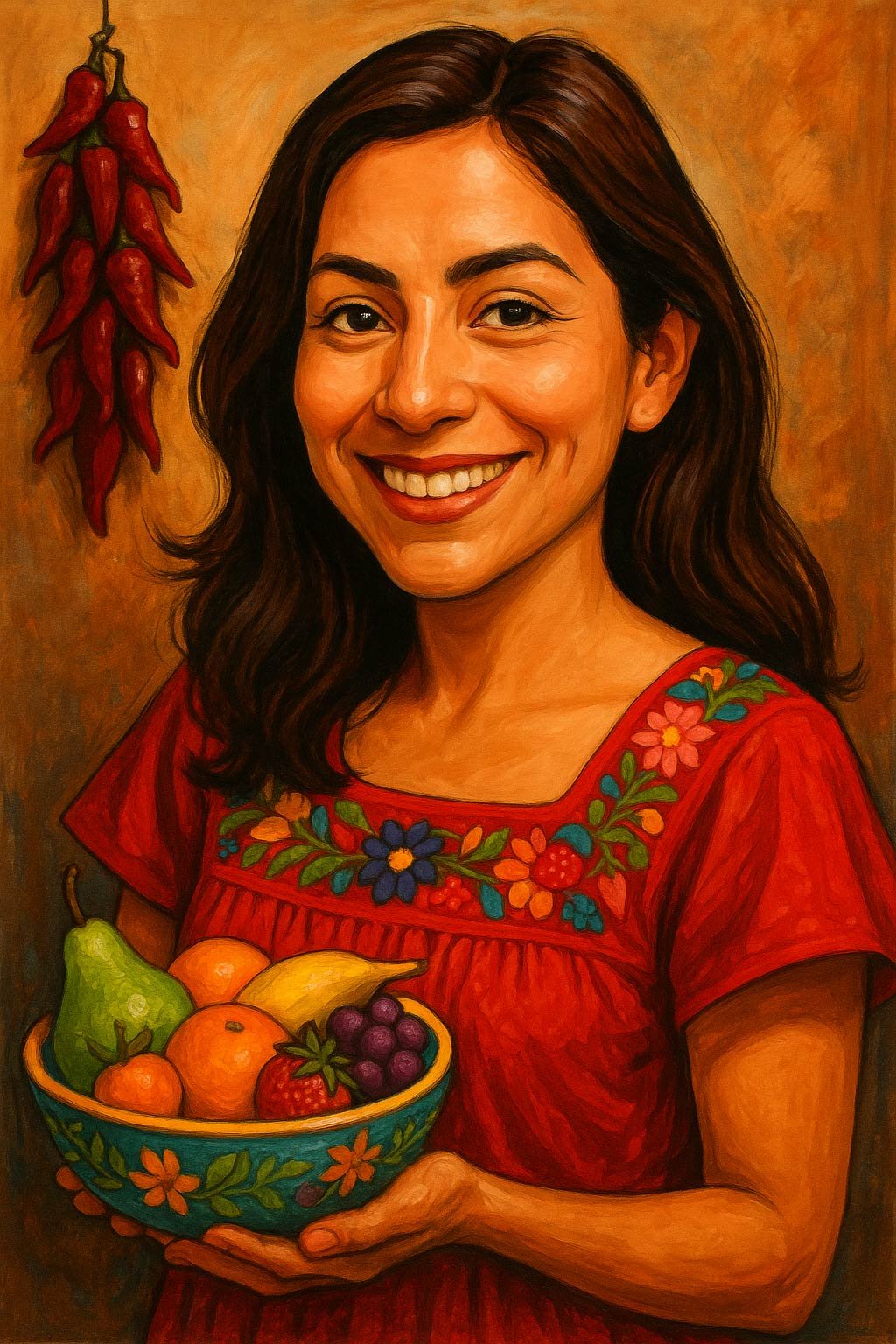
Marisol Herrera was born and raised in San Antonio, Texas. She is fluent in Spanish, English, and exotic flavors. From an early age, she was immersed in the culinary world, helping her aunt run a neighborhood restaurant filled with family recipes and rich traditions.
She attended the Culinary Institute of America in San Antonio, earning a degree in Culinary Arts with a minor in Food Writing. Marisol enjoys traveling to exotic locations in search of authentic recipes and unforgettable dishes.
In her spare time, she enjoys gardening, raising her two children, and salsa dancing with her husband.
Note: This is a fictional bio. See About page for more information.