
By Marisol Herra | Lead Writer, Food and Drinks | YouImpressed.com
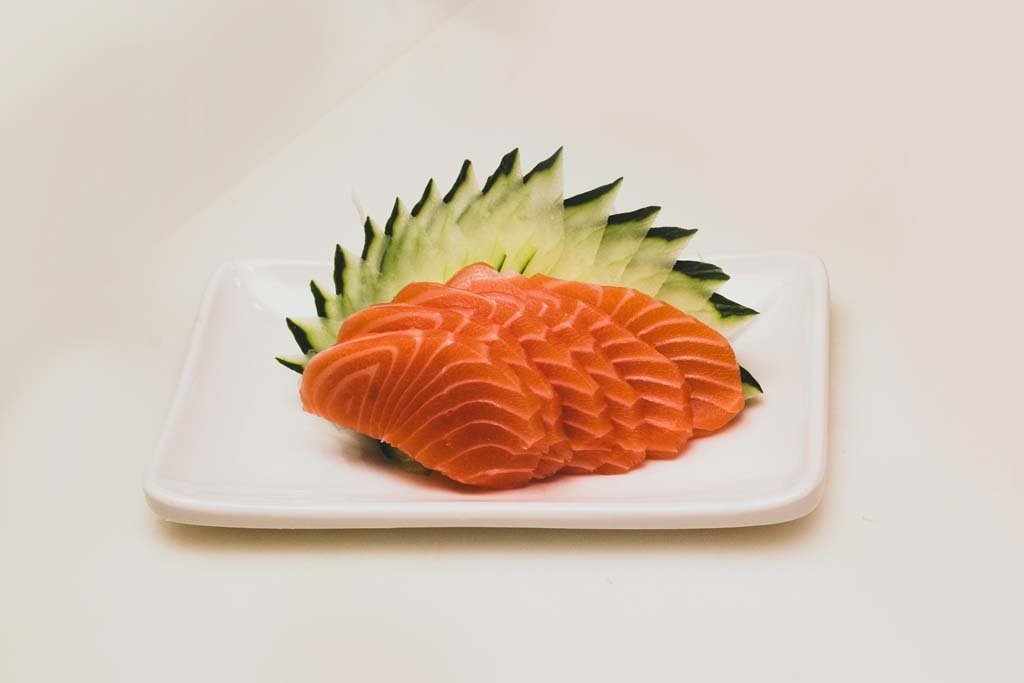
Michelin Masterpieces Begin Where Passion Meets Precision
Step inside the world of Michelin Masterpieces and discover where culinary dreams become edible art. These aren’t just meals—they’re experiences built on decades of dedication, boundless creativity, and exacting technique. From Tokyo to Paris, chefs who earn stars from the Michelin Guide push boundaries every single day. What happens behind the kitchen doors is part science, part performance, and all heart.
Each dish that lands on a white linen table in a Michelin-starred restaurant tells a story. Ingredients are sourced like treasures, flavors are layered with care, and plates arrive looking like they belong in a museum. In the realm of Michelin Masterpieces, nothing is random. Every texture, every color, every microgreen serves a purpose.
Michelin Masterpieces from the Legends of the Craft
Start with the names that changed the game. Alain Ducasse, with more than 20 Michelin stars to his name, creates dishes that showcase simplicity elevated by technique. His restaurant, Alain Ducasse at The Dorchester in London, holds three stars and serves up refined French cuisine rooted in natural flavors.
In Spain, Ferran Adrià once led the now-closed but legendary ElBulli, where molecular gastronomy became an art form. His playful, mind-bending approach to food inspired a generation of chefs to experiment with texture, temperature, and technique.
Grant Achatz of Alinea in Chicago elevates the dining experience to the next level with immersive dining. One course might arrive suspended in mid-air. Another might explode with aroma before a bite is even taken. These are more than meals—they’re Michelin Masterpieces with dramatic flair.
Inside the Kitchens Where Michelin Masterpieces Are Born
Inside these world-class kitchens, precision rules. Temperatures are measured down to the decimal. Sauces are stirred with military timing. Silence often replaces chatter, allowing concentration to fill the space. In the making of Michelin Masterpieces, every detail matters.
The brigade system, created by Auguste Escoffier, continues to shape many of these kitchens today. Each cook has a specific role—sauces, pâtisserie, and garde manger—and the head chef orchestrates it all like a maestro conducting a symphony.
New technology also plays a significant role. Sous-vide machines, pacojets, and thermomixers help achieve consistency that would be impossible by hand. At the same time, old-school knife skills, tasting from instinct, and plating by feel still define the craft.
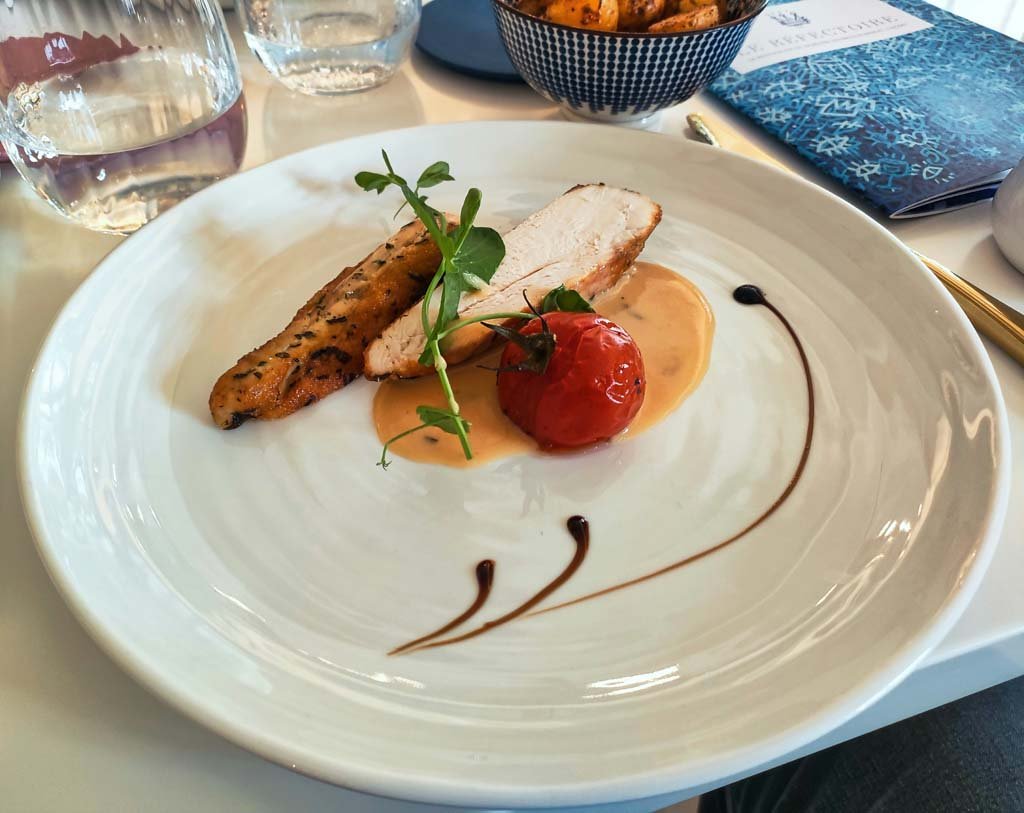
Michelin Masterpieces Are All About Ingredients
The world’s best chefs start with the best ingredients. Whether it’s hand-dived scallops from Scotland or heirloom carrots from a small Japanese farm, sourcing is a sacred process. A single ingredient might Travel thousands of miles just to land on the right plate.
Seasonality guides the menu. One month, the focus might be on white asparagus. Next, it could shift to truffles or sea urchin. In the creation of Michelin Masterpieces, nature calls the shots, and chefs respond with elegance and skill.
Restaurants like Mirazur in France and Central in Peru design their menus around microclimates and local ecosystems. These culinary leaders treat ingredients like precious gems, highlighting rather than hiding their natural beauty.
Michelin Masterpieces Blend Art, Science, and Emotion
Creating a dish that earns Michelin recognition involves more than good taste. Michelin Masterpieces blend visual artistry, scientific precision, and emotional storytelling, creating a unique blend of art and science. A plate of food becomes a journey—a memory triggered, a culture honored, a story told in flavors and textures.
Chefs often experiment with color theory, plating geometry, and even psychology. A bright green puree against a white plate draws the eye. A whisper of smoke on the table adds to the mystery. Foam, gels, edible flowers, and powders become tools in a palette of flavor design.
Every course builds on the last. Meals become a form of theater, and each bite plays a role in the larger narrative. Restaurants like Osteria Francescana in Italy or Noma in Denmark create tasting menus that feel like poetry.
The People Behind Michelin Masterpieces
The chefs earn the stars, but the teams keep the stars shining. Behind each Michelin Masterpiece is a team of dedicated professionals who sharpen knives at dawn, prep vegetables until midnight, and plate with laser focus. The camaraderie in these kitchens runs deep, built on long hours and a shared obsession with excellence.
Many chefs train for years—often unpaid—to learn the art of crafting Michelin Masterpieces. Stage programs and apprenticeships are standard, especially in France and Japan. It’s a rite of passage and a badge of honor in the fine dining world.
Chefs like Anne-Sophie Pic, Dominique Crenn, and Massimo Bottura often speak of their teams with deep respect, knowing that without their crew, the stars wouldn’t shine quite so bright.
Dining Rooms Designed for Michelin Masterpieces
The experience doesn’t end in the kitchen. The dining room plays a huge role in how Michelin Masterpieces are received. Tableware, lighting, music, and service all contribute to creating a sense of being somewhere special.
Restaurants like Restaurant Guy Savoy in Paris or Septime in Paris design their spaces to complement the rhythm and mood of their menus. Glassware is chosen with care. Cutlery feels balanced in the hand. Even the distance between tables is calculated for comfort and privacy.
Presentation matters. The plate arrives centered, the garnish is perfect, and the explanation comes from a server who knows the dish inside and out. It’s not just dinner—it’s an event.
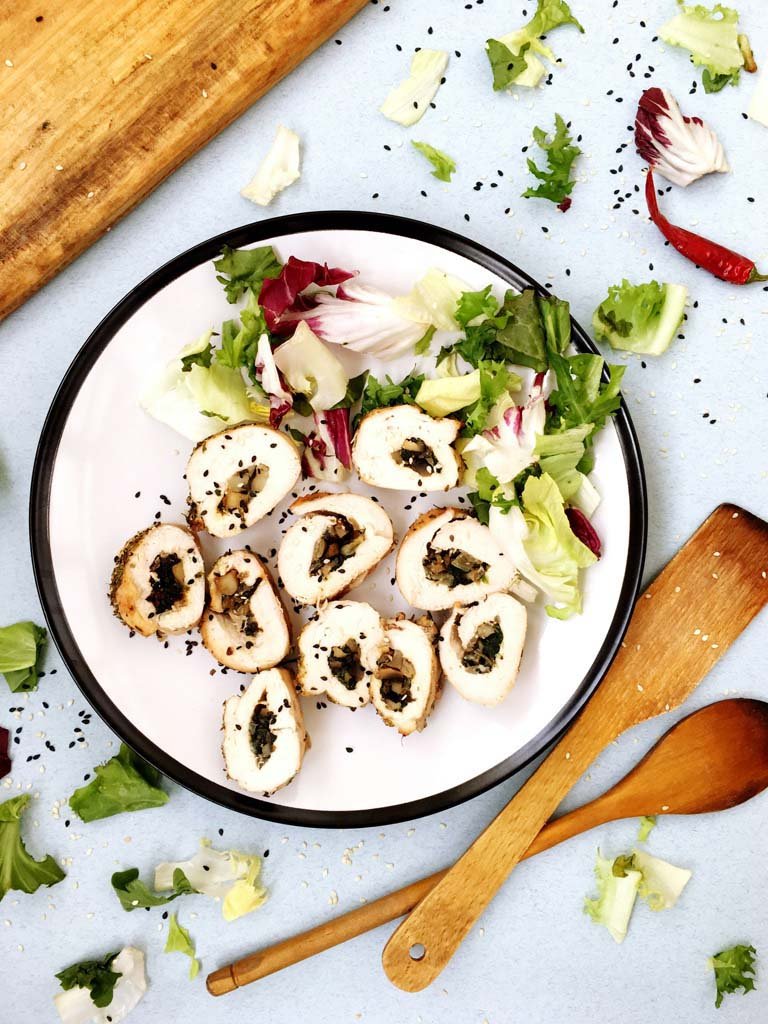
Michelin Masterpieces Continue to Evolve
Innovation never stops in the world of Michelin Masterpieces. Chefs constantly reinvent classics, respond to global trends, and incorporate new techniques. Sustainability, zero waste, plant-based fine dining—these themes are influencing Michelin kitchens worldwide.
New stars emerge every year. Young chefs bring fresh perspectives and cultural fusion into the mix. Traditional dishes get modern twists. Global influences continue to push the boundaries of what defines a masterpiece on the plate.
Even in the most elite circles, change is constant. That’s part of what makes Michelin Masterpieces so exciting. They evolve, surprise, and challenge expectations.
Michelin Masterpieces Are More Than Just Food
Beyond the stars and the show, Michelin Masterpieces represent something more profound. They’re about human connection, creativity, and emotion—all of which are expressed through food. Each dish is a conversation between chef and guest, a small window into someone’s culture, philosophy, and craft.
For many, dining at a Michelin-starred restaurant becomes a moment to add to their bucket list. It’s not about hunger—it’s about being inspired. Each course becomes part of a memory that lingers long after the table is cleared.
Want to explore more fine dining legends, rare ingredients, and culinary luxury? Visit the YouImpressed.com homepage for more stories that celebrate excellence in food and beyond.
Lead Writer, Fashion | YouImpressed.com
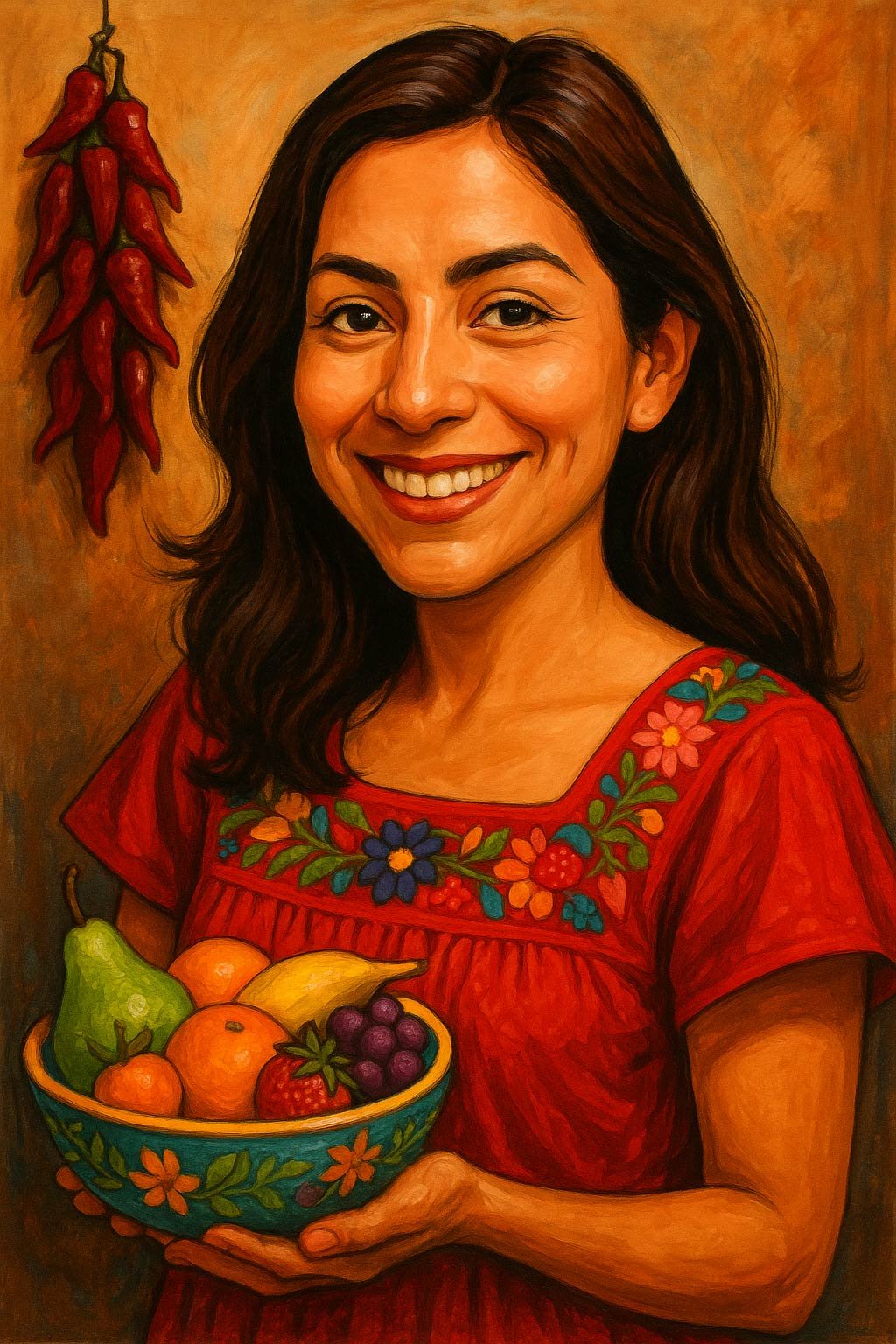
Marisol Herrera was born and raised in San Antonio, Texas. She is fluent in Spanish, English, and exotic flavors. From an early age, she was immersed in the culinary world, helping her aunt run a neighborhood restaurant filled with family recipes and rich traditions.
She attended the Culinary Institute of America in San Antonio, earning a degree in Culinary Arts with a minor in Food Writing. Marisol enjoys traveling to exotic locations in search of authentic recipes and unforgettable dishes.
In her spare time, she enjoys gardening, raising her two children, and salsa dancing with her husband.
Note: This is a fictional bio. See About page for more information.