
By Miles Finch | Lead Writer, Beyond Impressive | YouImpressed.com
True luxury and excellence often emerge not from shortcuts, but from obsession. When creators dedicate years—or even decades—to refining a single masterpiece, the result becomes more than an object. It becomes a testament to human potential. That is the Pinnacle of Craftsmanship.
Every generation leaves behind marvels that speak to its values, technology, and culture. Yet only a few creations rise above as icons of perfection—those that reflect years of relentless dedication and refinement. Here’s a look at some extraordinary objects that have reached the Pinnacle of Craftsmanship.
The Patek Philippe Calibre 89: A Horological Legend
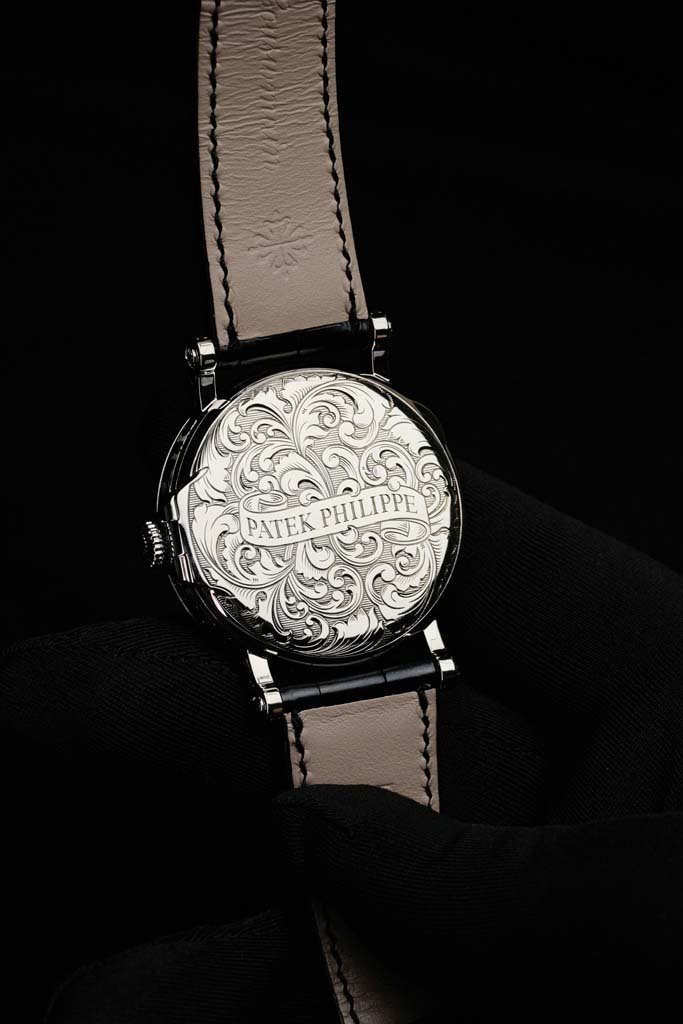
In the world of watchmaking, few timepieces command the respect of the Patek Philippe Calibre 89. Launched in 1989 to celebrate the brand’s 150th anniversary, the Calibre 89 took over nine years to develop. The watch contains 33 complications, including a star chart, sunrise/sunset times, and even an equation of time.
Watchmakers at Patek Philippe pushed mechanical limits and aesthetic boundaries to create what many still call the most complicated watch ever made. The Calibre 89 isn’t just a marvel of engineering—it stands as the Pinnacle of Craftsmanship in horology. Owning one is like owning a sliver of time itself.
Koenigsegg Jesko Absolut: Engineering Without Compromise
The Koenigsegg Jesko Absolut didn’t happen overnight. The Swedish hypercar brand, renowned for its obsessive innovation, has spent years engineering a machine that aims to become the fastest car in the world. Every component—right down to the proprietary carbon-fiber wheels—was developed in-house over years of testing and iteration.
From its reimagined 9-speed Light Speed Transmission to the active rear fins, every detail of the Jesko Absolut represents the Pinnacle of Craftsmanship in automotive design. It’s not just about speed—it’s about absolute, uncompromising excellence.
Steinway & Sons Grand Pianos: A Symphony of Generations
Founded in 1853, Steinway & Sons has spent over a century perfecting its grand pianos. Each Steinway takes nearly a year to build and incorporates more than 12,000 parts. Multiple artisans work together in perfect harmony, each applying skills passed down through generations.
From the resonance of the spruce soundboard to the responsiveness of hand-weighted keys, every Steinway piano delivers an experience no mass-produced instrument can replicate. The Pinnacle of Craftsmanship echoes in every note.
Grand Seiko’s Snowflake Dial: Nature Meets Precision
While Swiss brands dominate conversations around fine watchmaking, Japan’s Grand Seiko has quietly earned reverence for its pursuit of perfection. The Grand Seiko “Snowflake” SBGA211 is a prime example. Its dial, which mimics the texture of freshly fallen snow, is created through a painstaking stamping process exclusive to Grand Seiko’s Shinshu Studio.
Powered by the Spring Drive movement—an engineering feat that took over 20 years to develop—the Snowflake represents an elegant, serene version of the Pinnacle of Craftsmanship. It’s mechanical poetry, disguised as a wristwatch.
Stradivarius Violins: The Mystery of Sound
No one has yet fully unlocked why Stradivarius violins sound so magical. Crafted in the 17th and 18th centuries by Antonio Stradivari, these instruments remain unmatched centuries later. Each violin was made with exquisite care, and some took years to complete. The wood, the varnish, and even the climate of Cremona, Italy, may have all contributed to their lasting brilliance.
What’s clear is that each Stradivarius is a sonic fingerprint—singular and timeless. These violins live on as eternal symbols of the Pinnacle of Craftsmanship in the musical world.
Beskar Steel Props from The Mandalorian: Film Craft Elevated
Props from blockbuster productions often become collectible, but the artisans behind The Mandalorian took things further. The Beskar steel ingots and armor used in the show were hand-finished by prop masters and costume designers at Lucasfilm over multiple iterations. They wanted more than screen accuracy—they wanted texture, realism, and physicality.
When filmmakers go to such lengths to make a prop feel real—casting, weathering, painting, and refining for months—the result transcends fiction. In the realm of pop culture, this represents the Pinnacle of Craftsmanship.
Royal Oak “Jumbo” Extra-Thin by Audemars Piguet: Refinement Perfected
Designed by the legendary Gérald Genta in 1972, the Audemars Piguet Royal Oak challenged traditional luxury watch aesthetics. However, the “Jumbo” Extra-Thin, particularly in its modern iterations, underwent years of refinement. The finishing on the bracelet alone takes hours of hand-polishing—the movement inside, ultra-thin and beautifully decorated, required years of development.
This watch is more than just a timepiece. It’s a wearable sculpture. It encapsulates the Pinnacle of Craftsmanship through its bold design and meticulous execution.
Heesen Galactica Super Nova: The Art of Yacht Building
The Heesen Galactica Super Nova is not a boat—it’s a floating palace. With its sleek aluminum hull and a top speed of 30 knots, this superyacht required years of coordinated craftsmanship from naval architects, interior designers, and engineers. Every surface, curve, and detail was carefully considered and thoroughly tested across multiple design cycles.
Whether it’s the glass-bottom swimming pool or the silent hybrid propulsion, every inch of the Galactica Super Nova shouts luxury. Its creation represents the Pinnacle of Craftsmanship on water.
Parmigiani Fleurier Toric: Microengineering in Gold
Michel Parmigiani, founder of Parmigiani Fleurier, built the Toric collection as a tribute to classical design and traditional Swiss watchmaking. These timepieces feature hand-engraved bezels, enamel dials, and intricate guilloché. Each watch is produced in limited numbers, taking months to complete with hand-finishing at every stage.
The Toric line reflects a personal vision—blending classical architecture with modern horology. It proudly upholds the values of the Pinnacle of Craftsmanship.
Fazioli Concert Grand Piano: When Perfection Has No Deadline
Paolo Fazioli launched his piano company in the 1980s with one goal: to make the best piano in the world. He didn’t rush. Instead, he spent years researching materials, collaborating with musicians, and testing acoustics. Each Fazioli piano is built in a custom workshop in Italy, where craftspeople spend 2 to 3 years assembling every instrument by hand.
Concert pianists often describe Fazioli pianos as “effortless” and “alive.” These instruments redefine the Pinnacle of Craftsmanship in modern musical manufacturing.
The Future of Obsession
Obsession isn’t always a flaw—it’s often the fuel for greatness. Brands and individuals who commit to refining their creations over time earn respect, loyalty, and admiration. Their work doesn’t just satisfy customers—it inspires awe.
The Pinnacle of Craftsmanship isn’t always about luxury; it’s about care, purpose, and the courage to wait until something is truly ready. That’s the mindset that drives us at YouImpressed.com.
Why It Matters Today
In an era obsessed with speed and automation, pieces that take years to make stand as monuments to what’s possible when humans care deeply. These aren’t products. Their stories. The Pinnacle of Craftsmanship isn’t just about form or function—it’s about meaning. That’s why collectors, connoisseurs, and creators gravitate to these rare items. They’re proof that some things are still worth waiting for.
At YouImpressed.com, we celebrate those who dare to reach higher. Explore more of what we consider impressivee on our home page.

Lead Writer, Beyond Impressive | YouImpressed.com
With a background in cultural journalism, Miles writes feature pieces and product reviews on everything that pushes the boundaries of “impressive.”
Raised in Chicago by his mother, an antique dealer and part-time sci-fi novelist, he developed a lifelong fascination with rare objects and stories that sound too wild to be true. He earned his journalism degree with a minor in art from the University of Chicago and has made it his mission to uncover the most over-the-top products and experiences on the planet.
When he’s not writing, Miles moonlights as a competitive butter sculptor, where his hobby has earned him three regional titles and more than a few odd glances.
Note: This is a fictional bio. See About page for more information.